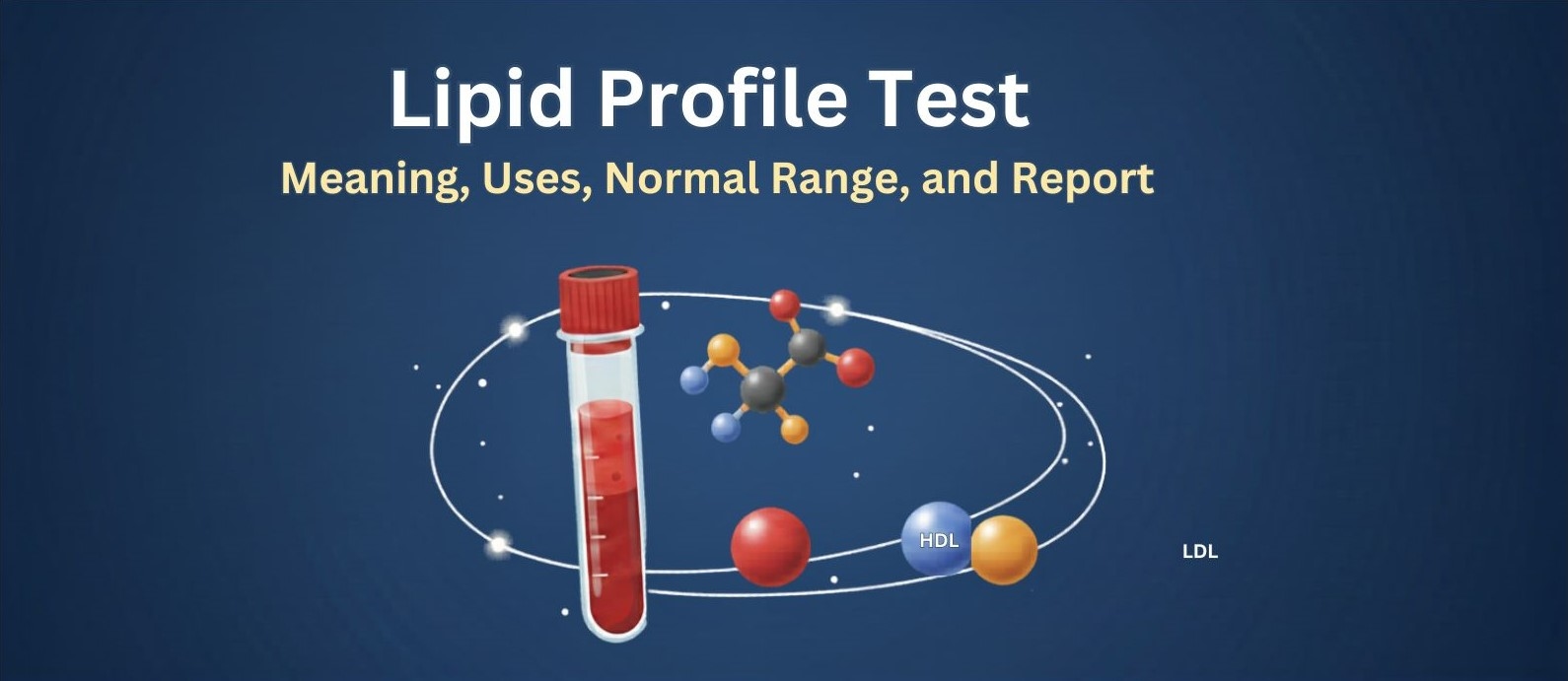
Heart disease rarely begins all at once. For most people, it builds quietly over time. Changes in cholesterol and other blood fats often show up years before symptoms do. That is why doctors use the Lipid Profile test as a part of routine health checks. The test measures how fats circulate in your blood and what that means for your heart and blood vessels. Doctors often recommend it during routine checkups. It may also be advised before starting certain medications or when heart disease runs in the family.
Understanding what the test shows makes it easier to read your report and act early.
What is a Lipid Profile Test?
A lipid profile test measures different types of fats, known as lipids, in your blood. These lipids are essential for normal body function. When their levels are outside healthy limits, they can increase the risk of cardiovascular disease.
So, what is a lipid profile test in simple terms?
It is a laboratory test that checks cholesterol and triglyceride levels to understand your heart health. The lipid profile test's meaning stays consistent across age groups and clinical settings. It gives doctors a clear snapshot of how your body is handling fats at a given point in time.
Why is a Lipid Profile Test Done?
A lipid profile test is often recommended even when no symptoms are present. In many people, abnormal lipid levels do not cause noticeable signs, particularly in the early stages.
Doctors advise the test to:
- Assess the risk of heart disease and stroke
- Monitor cholesterol levels over time.
- Check how well lifestyle changes or medications are working
- Screen people with conditions such as diabetes, obesity, or hypertension.
If there is a family history of heart disease, testing becomes especially important. Early detection makes it possible to take preventive steps before complications develop.
What is the Lipid Profile Test Used For?
The lipid profile test is used for both screening and long-term monitoring.
Clinicians rely on it to:
- Estimate cardiovascular risk.
- Decide whether treatment is needed.
- Adjust cholesterol-lowering medications.
- Track improvements after dietary or lifestyle changes.
In practice, the lipid profile test means informed decision-making rather than just reporting numbers.
Benefits of Lipid Profile Test
The test offers several clinical benefits:
- Detects cardiovascular risk early.
- Helps personalise treatment plans.
- Monitors progress after lifestyle changes.
- Supports prevention before symptoms appear.
This early insight often changes outcomes.
How to Prepare for a Lipid Profile Test?
Preparation is usually straightforward, but it does matter. In many cases, fasting for 9 to 12 hours is advised. During this time, only water is allowed. Fasting improves the accuracy of triglyceride measurements.
You should also:
- Inform your doctor about ongoing medications.
- Avoid alcohol the day before testing.
- Follow any specific instructions provided by the laboratory.
Some lipid tests do not require fasting. Your doctor will guide you based on your health status.
Key Parameters of Lipid Profile Test
A standard lipid profile measures several components, each with a distinct role.
Total Cholesterol
The overall amount of cholesterol in the blood.
LDL Cholesterol
Often called bad cholesterol because high levels contribute to plaque buildup in arteries.
HDL Cholesterol
Known as good cholesterol. It helps remove excess cholesterol from the bloodstream.
Triglycerides
A type of fat linked to metabolic and cardiovascular risk.
Together, these values form the lipid profile report used for clinical assessment.
Lipid Profile Test Procedure
The procedure is simple and minimally invasive. A healthcare professional collects a small blood sample from a vein in your arm. The process usually takes only a few minutes.
The sample is analysed in a laboratory, and the results are typically available within one or two days, depending on the facility.
Lipid Profile Test Normal Range
Knowing the lipid profile normal test range helps put results into context, although interpretation always depends on individual risk.
Common reference values include:
Total cholesterol: Less than 200 mg/dL
LDL Cholesterol: less than 100mg/dL
Triglycerides: Less than 150 mg/dL
The lipid profile normal range may vary slightly across laboratories and patient profiles.
Lipid Profile Test Interpretation
A lipid profile test report should always be interpreted by a doctor. Clinicians should consider several factors, including:
- Age and gender.
- Family history of heart disease.
- Existing conditions such as diabetes.
- Lifestyle factors like diet and physical activity.
For example, mildly elevated cholesterol may require lifestyle changes in one person, while another may need medication. Interpretation is individualized.
What Abnormal Results Mean?
Abnormal lipid levels point to a higher risk of cardiovascular disease.
High LDL or triglycerides can contribute to the narrowing of blood vessels. Low HDL reduces the body’s ability to clear excess cholesterol. Over time, these changes may affect circulation to the heart and brain.
Early medical guidance helps lower long-term risk.
Conclusion
A lipid profile test is a reliable way to evaluate heart health. It helps identify risk early, supports treatment decisions, and plays an important role in preventive care. If you have risk factors such as high blood pressure, diabetes, or a family history of heart disease, discussing this test with your doctor is a sensible next step. At Amrita Kochi, lipid profile testing is supported by advanced diagnostics and expert clinical interpretation, helping patients move from test results to informed care.
Frequently Asked Questions
Is fasting required for a Lipid Profile Test?
In many cases. Fasting for 9 to 12 hours is commonly advised, especially when triglyceride levels need to be measured accurately.
What happens if my lipid profile is high?
High levels may increase cardiovascular risk. Depending on your overall health, your doctor may suggest lifestyle changes, medication, or further evaluation.
How often should I get a Lipid Profile Test?
Healthy adults are often tested every 4 to 6 years. Those with risk factors such as diabetes or high blood pressure may need testing yearly.
Can medications affect Lipid Profile Test results?
They can. Some medicines influence cholesterol and triglyceride levels, which is why doctors always ask about current prescriptions before interpreting results. This includes long-term medications as well as recent changes.
Can a lipid profile detect heart disease?
Not on its own. A lipid profile does not diagnose heart disease, but it plays an important role in assessing risk and deciding whether further tests are needed.
Can stress affect your lipid profile?
Over time, yes. When stress becomes long-term, it can influence lipid levels. This often happens through hormonal changes and everyday habits like eating patterns, sleep, and activity levels.
Related Blogs

What Causes Vaginal Yeast Infection?

Uterine Fibroids
Learn more
Thyroid
Learn more
Why people use Drugs?
Learn more
Processed Food And Cancer
Learn more
Understanding PCOS Early Detection Symptoms and Management
Learn more
Ovarian Cyst - Types, Symptoms & Treatments
Learn more