Respiratory Medicine
Overview
The Department of Respiratory Medicine in Amrita Hospital, Kochi became operational in the year 1998. For the first time in Kerala, a full-fledged Respiratory Medicine unit started functioning with all modern facilities. Since then it is functioning as an apex referral centre, not only for Kerala, but also for the entire South India.
Among the broad scope of conditions being managed by our department, the most common deals with asthma/copd/ild/tuberculosis/lung cancer. We undertake prevention, early detection and treatment of various chest conditions. Our team includes specialists, respiratory therapists and nurses who work together to provide comprehensive care, including diagnostics, medication management & pulmonary rehabilitation.
Spectrum of services provided by us include 6MWT, PFT, DLCO, PSG, VQ Scanning ABG, Allergy testing and Immunotherapy, Diagnostic Bronchoscopy (EBUS-TBNA BAL, TBLB), Pleural Procedures (Aspiration, ICD), Pleural Biopsy /FNAC, bronchial artery embolization and Medical Thoracoscopy Procedures critical care facilities and infrastructure and assistance to conduct basic tests in along with detecting TB which encompass AFB Smear/Genexpert and AFB Culture.
A unit of NTEP is functioning as a part of our department to document and treat drug sensitive and resistant tuberculosis cases.
We are also aware of the importance of pushing the boundaries as to further improve the services offered by us and to impart the knowledge we have acquired to future generations. As such we are involved in conducting CME programs, workshops, national conferences, undertakes funded research projects and also in training post graduate students.
Doctors


Contact Us
Phone: O484 2857676
Facilities
Our department is equipped with
- Basic & Advanced bronchoscopy suites
- Ebus suite
- Medical thoracoscopy suite
- Facility for doing ROSE
- Portable bronchoscope for conducting ICU scopies
- Scope Disinfection room
- Procedure room with ultrasound facility for doing opd/ipd based procedures like aspiration/icd insertion.
Diseases Treated
- Asthma
- Copd
- ILD
- Tuberculosis
- Lung Cancer
- Pneumonia
- Pulmonary Hypertension
- Pulmonary Embolism
- OSA
- Bronchiectasis
- Sarcoidosis
- Pulmonary Fibrosis
- ARDS
- Occupational Lung Diseases
- Pulmonary manifestation of systemic diseases
Features
- Diagnostic Services: Comprehensive diagnostic evaluations such as pulmonary function tests, bronchoscopy, imaging studies (X-rays, CT scans), and sleep studies for accurate diagnosis of respiratory conditions.
- Treatment Modalities: A range of treatment options including medications, respiratory therapy, pulmonary rehabilitation programs, and surgical interventions for conditions like lung cancer or severe emphysema.
- Specialized Clinics: Dedicated clinics for specific respiratory conditions such as asthma, COPD, interstitial lung diseases, pulmonary hypertension, and sleep disorders.
- Multidisciplinary Approach: Collaboration with other specialties such as thoracic surgery, oncology, radiology, and critical care to provide comprehensive care for complex cases.
- Interventional Procedures: Advanced procedures like bronchoscopic interventions, thoracentesis, chest tube insertions, pleuroscopy, and lung biopsies performed by skilled interventional pulmonologists.
- Pulmonary Rehabilitation: Structured programs aimed at improving lung function, exercise capacity, and quality of life for patients with chronic respiratory conditions.
- Patient Education: Educational resources and counseling sessions to help patients understand their condition, treatment options, and self-management strategies.
- Research and Clinical Trials: Participation in clinical research studies and trials to advance knowledge and treatment options in pulmonary medicine.
- Telemedicine Services: Remote consultations and follow-up appointments for patients who may have difficulty accessing in-person care.
- Critical Care Services: Management of patients with acute respiratory failure, severe pneumonia, acute respiratory distress syndrome (ARDS), and other critical conditions in specialized intensive care units within the department.
Outpatient Services
Available from Monday - Saturday. To book your appointments contact: 0484 2857676
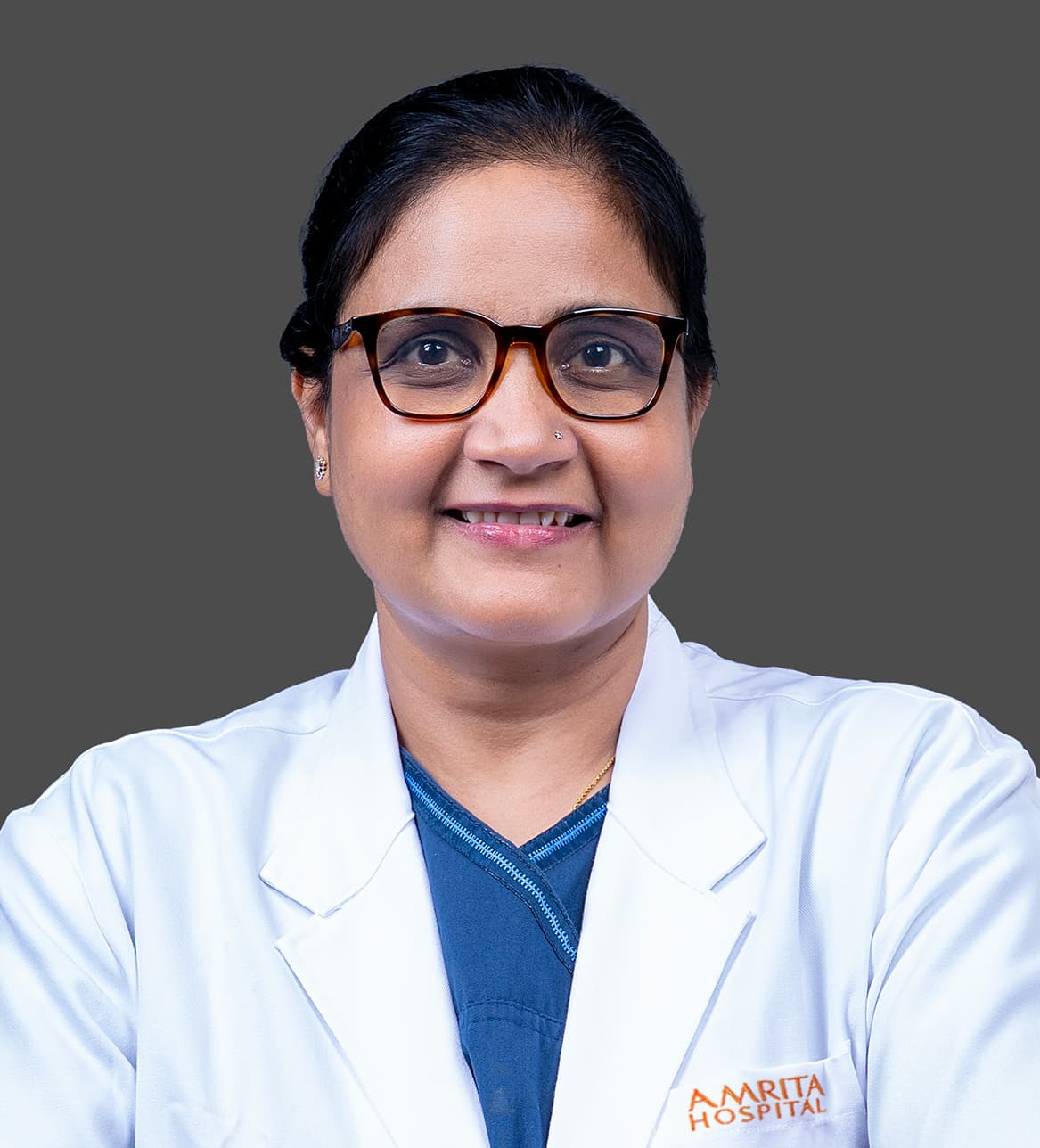
- Dr. Asmita Mehta - Professor & HOD
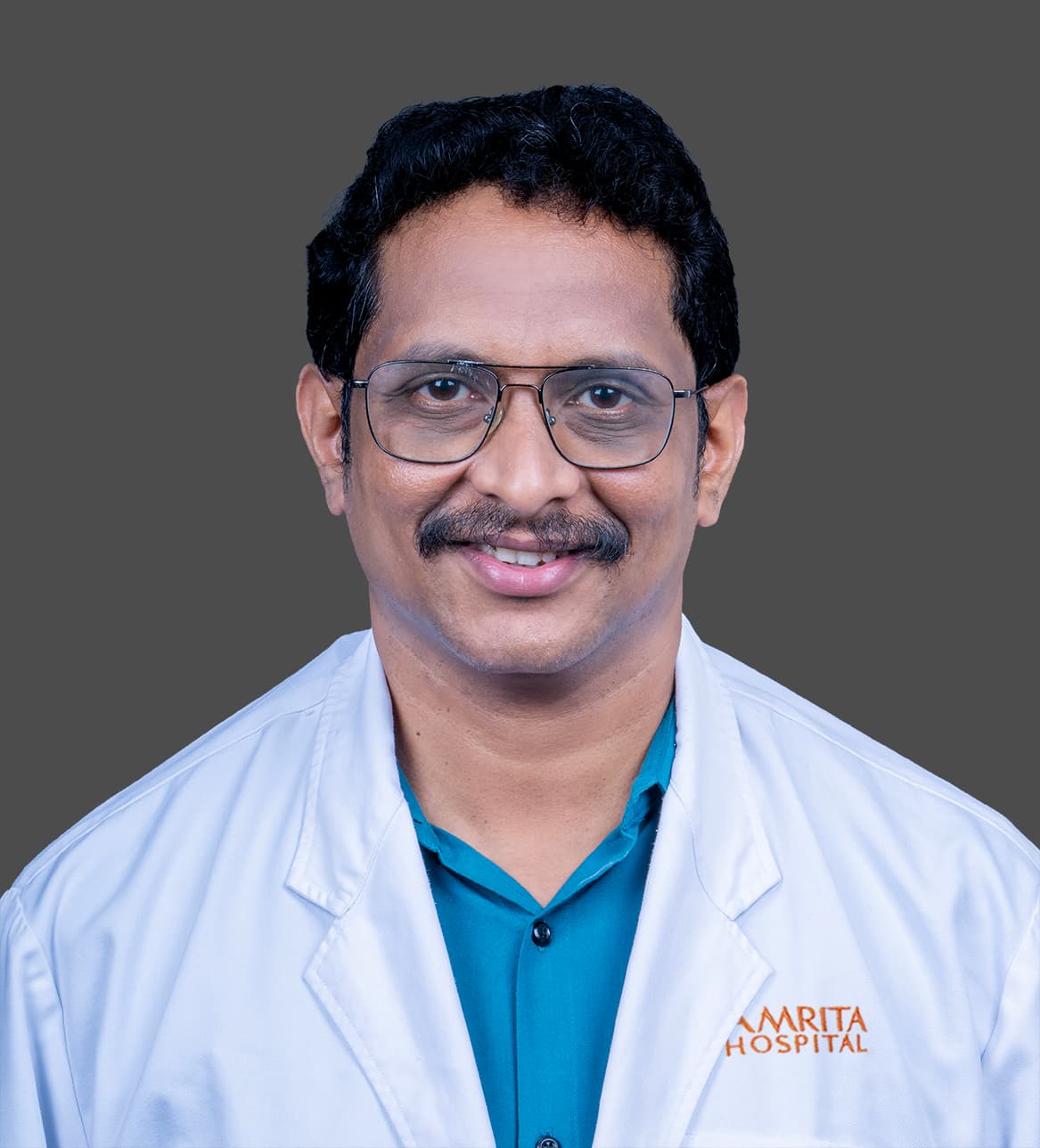
- Dr. Akhilesh K. - Professor
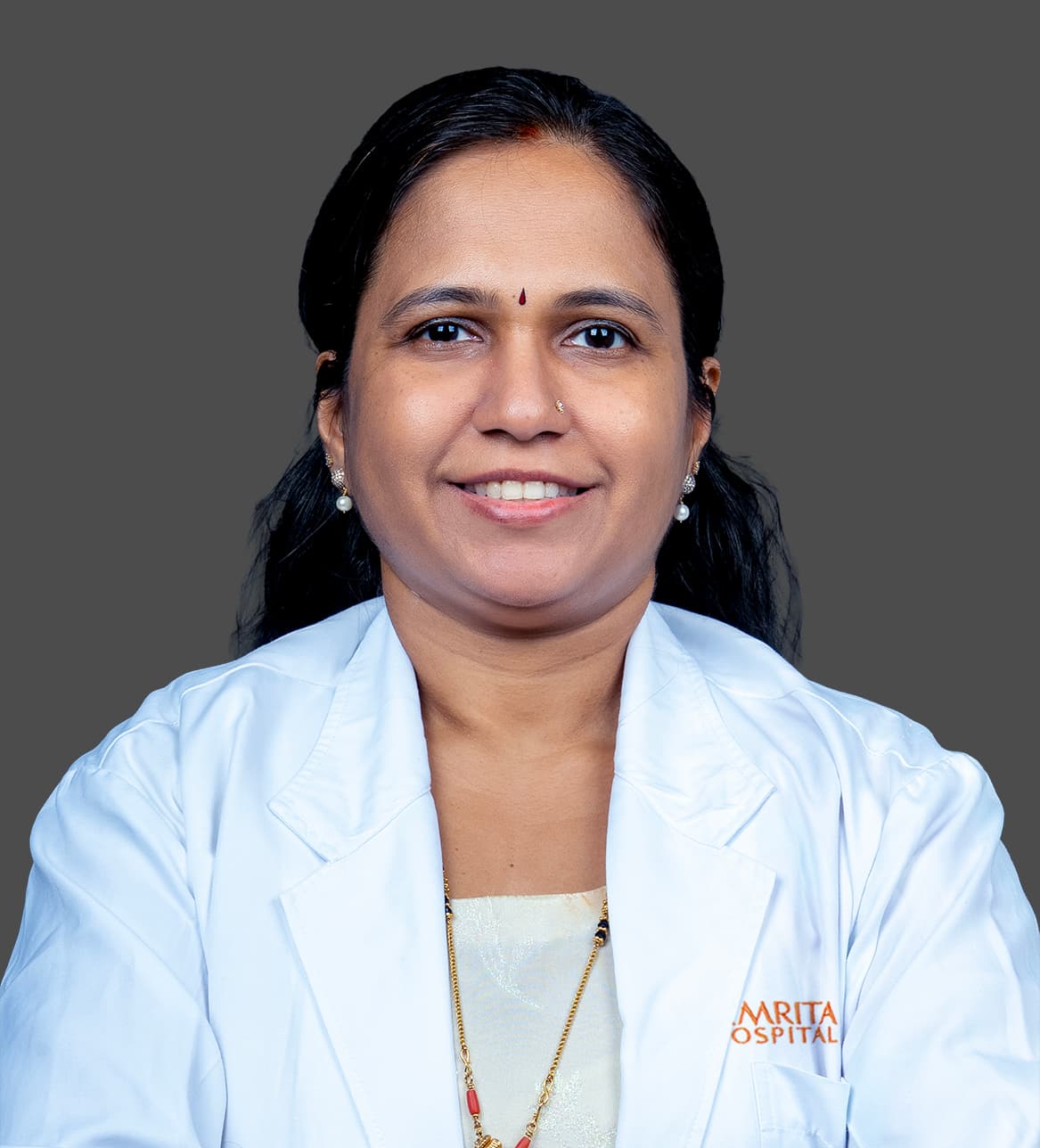
- Dr. Nithya Haridas - Associate Professor
- Dr. Vishnu Vazhoor - Assistant professor
Why Choose Us?
Expertise: Our team consists of highly skilled pulmonologists, respiratory therapists, and other healthcare professionals with specialized training and expertise in diagnosing and treating a wide range of respiratory conditions.
Comprehensive Care: We provide comprehensive care from diagnosis to treatment and ongoing management, offering a full spectrum of services including diagnostic testing, medication management, interventional procedures, rehabilitation programs, and patient education.
Advanced Technology: Our department is equipped with state-of-the-art technology and facilities, including advanced imaging equipment, bronchoscopy suites, pulmonary function testing laboratories, and intensive care units, ensuring accurate diagnosis and optimal treatment outcomes.
Collaborative Approach: We take a multidisciplinary approach to patient care, collaborating closely with other specialties such as thoracic surgery, oncology, radiology, and critical care to provide coordinated and comprehensive care tailored to each patient's needs.
Personalized Care: We recognize that each patient is unique, and we strive to provide personalized, compassionate care that addresses their individual medical, emotional, and lifestyle needs.
Patient-Centered Focus: Patient satisfaction and well-being are our top priorities, and we are committed to delivering high-quality, patient-centered care with empathy, respect, and integrity.
Continuity of Care: We offer continuity of care through regular follow-up appointments, ongoing monitoring, and coordination of care with primary care providers and other healthcare professionals, ensuring that patients receive consistent and effective management of their respiratory conditions.
Research and Innovation: Our department is actively involved in clinical research and innovation, participating in cutting-edge research studies and clinical trials to advance knowledge and treatment options in pulmonary medicine.
Diagnostic Tests and Procedures
- ECMO
- Spirometry
- DLCO
- 6 Minute walk test
- Cardio Pulmonary Exercise Testing
- Pulmonary Rehabilitation
- Supervised Exercise Training
- Breathing Exercises
- Bronchial Hygiene Techniques
- Oxygen Therapy
- Nutritional and Psychological Counselling
- Sleep Apnoea Diagnosis
- Polysomnography (Sleep Study)
- CPAP/BIPAP Titration
- Allergy Skin Test & Immunotherapy
- Pulmonary Function Lab
- Invasive & Non-invasive ventilator support
Our Philosophy
Our Mission is to provide world class training to medical graduates, pursuing this course. We also strive to make them an expert in the field so that they serve the society by applying the most comprehensive and recent methods in diagnosis and management of all types of Respiratory diseases in adults and children
Specialty Clinics
- Asthma, Allergy & Immunotherapy Clinic
- COPD Clinic
- Lung Cancer Screening
- ILD Clinic
- TB Detection Clinic
- Sleep Clinic
- Occupational Lung Disease Screening
- Quit Smoking Clinic
- Sarcoidosis Clinic
- Pulmonary Rehabilitation Clinic
- Chest Ultrasonography & Guided Procedures
Services Offered
Comprehensive Evaluation: Thorough assessment and diagnosis of respiratory conditions through detailed medical history, physical examination, and appropriate diagnostic tests.
Individualized Treatment Plans: Development of personalized treatment plans tailored to each patient's specific condition, symptoms, and needs.
Medication Management: Prescription and management of medications such as bronchodilators, corticosteroids, antibiotics, and oxygen therapy to alleviate symptoms and improve lung function.
Patient Education: Provision of education and counseling to patients and their families about their respiratory condition, treatment options, medication adherence, lifestyle modifications, and symptom management.
Pulmonary Rehabilitation: Referral to pulmonary rehabilitation programs aimed at improving exercise tolerance, reducing breathlessness, and enhancing overall quality of life for patients with chronic respiratory conditions.
Smoking Cessation Support: Assistance and resources for patients who smoke to quit smoking, as smoking cessation is critical for managing respiratory conditions and improving long-term outcomes.
Coordination of Care: Collaboration with other healthcare providers and specialists as needed to ensure coordinated and comprehensive care for patients with complex respiratory conditions.
Follow-up and Monitoring: Regular follow-up appointments and monitoring to assess treatment effectiveness, disease progression, and overall patient well-being.
Supportive Services: Referral to support services such as social work, nutrition counseling, and mental health services to address the holistic needs of patients and enhance their overall well-being.
Accessible Care: Ensuring accessibility to care through telemedicine services, patient outreach programs, and support for patients with mobility or transportation challenges
FAQs
Pulmonary medicine, also known as pulmonology, is a medical specialty focused on the diagnosis and treatment of diseases affecting the respiratory system, including the lungs, airways, and chest wall.
You should consider seeing a pulmonologist if you experience symptoms such as persistent cough, shortness of breath, wheezing, chest pain, or coughing up blood. You may also be referred to a pulmonologist if you have been diagnosed with a respiratory condition that requires specialized care.
Pulmonologists treat a wide range of respiratory conditions, including asthma, COPD, pneumonia, lung cancer, interstitial lung disease, sleep disorders (such as sleep apnea), pulmonary hypertension, and many others.
Pulmonologists perform various diagnostic tests to evaluate lung function and diagnose respiratory conditions, including pulmonary function tests (PFTs), bronchoscopy, imaging studies (X-rays, CT scans), sleep studies (polysomnography), and lung biopsies.
Treatment options for respiratory conditions may include medications (such as bronchodilators, corticosteroids, antibiotics), oxygen therapy, pulmonary rehabilitation, lifestyle modifications (such as smoking cessation), interventional procedures (such as bronchoscopy or lung biopsy), and surgery (such as lung resection or lung transplant).
While some respiratory conditions may have genetic or environmental risk factors that cannot be fully prevented, there are measures you can take to reduce your risk, such as avoiding smoking and exposure to environmental pollutants, maintaining a healthy lifestyle (including regular exercise and a balanced diet), and seeking prompt medical attention for respiratory symptoms.
During your visit, the pulmonologist will review your medical history, perform a physical examination, and may order diagnostic tests or imaging studies to evaluate your respiratory health. Based on the findings, they will discuss your diagnosis, treatment options, and develop a personalized care plan with you.
The frequency of follow-up visits will depend on your specific condition, treatment plan, and response to treatment. Your pulmonologist will typically recommend a follow-up schedule to monitor your progress, adjust your treatment as needed, and address any new or ongoing respiratory issues.
Academy
- MD in Respiratory Medicines (3 year course)
International Collaboration
- Every Fortnight ILD MDM in collaboration with Bombay Hospital/Royal Brompton Hospital, London, UK
Outreach Program
Our department is involved in outreach program aimed at extending healthcare services, education and support to remote communities as well as involving in telemedicine services.
Featured News
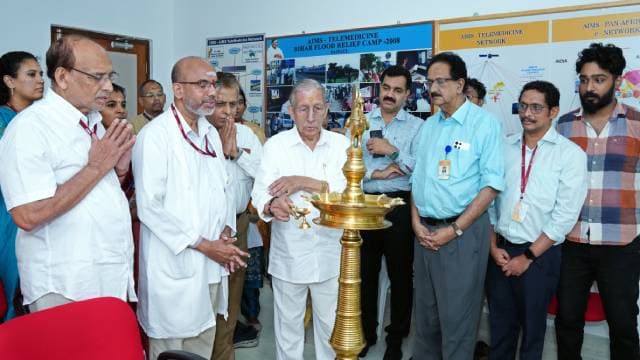
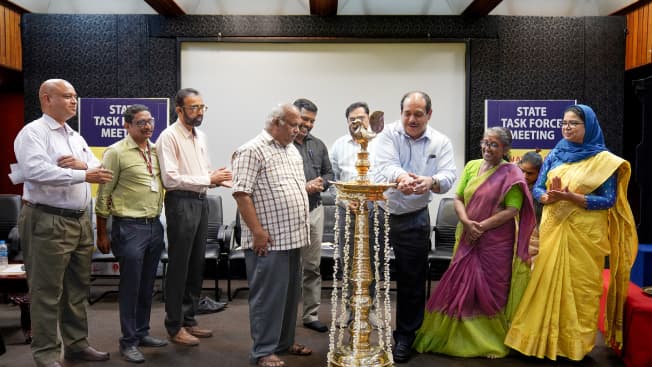
Amrita Hospital Launches 'Samashwasam' Telemedicine Project to Improve Healthcare Access for Tribal Communities
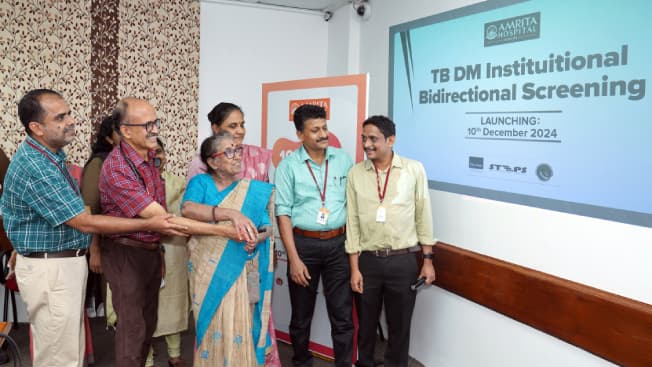
Amrita Hospital Launches 100-Day Tuberculosis Elimination Campaign