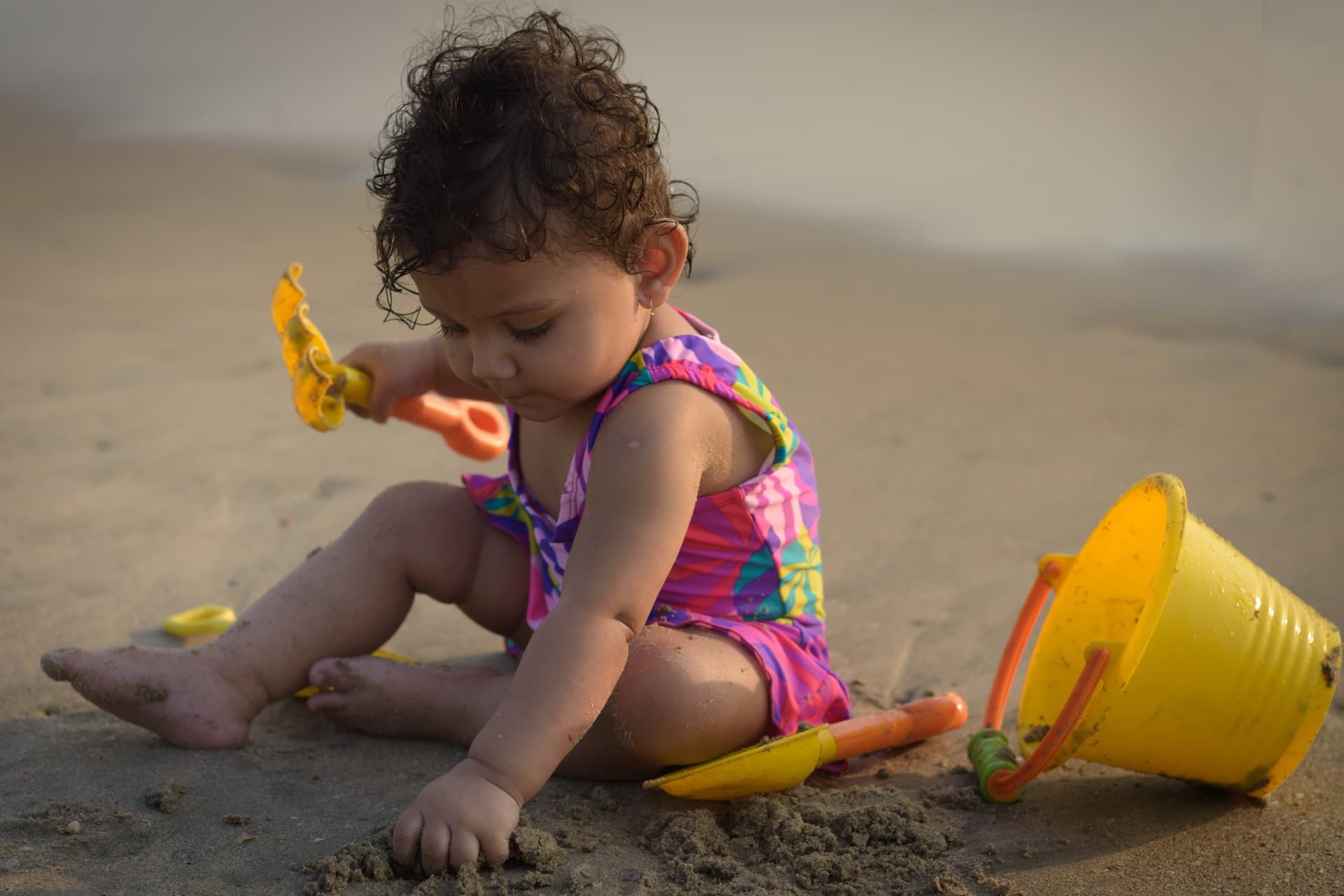
With rising temperatures and the unbearable heat of peak summers, every parent faces a unique challenge: How to protect their baby or toddler from the intense heat, dehydration, infections, and other seasonal concerns. While summer is a time for sunshine and play, it can also be a cause of discomfort and potential health issues—especially for infants and toddlers whose immunity and ability to regulate body temperature are still developing.
Summer Care: Importance for Young Children
Babies, toddlers and even young children are more vulnerable to seasonal changes as their immune system is still developing. They are more prone to rashes, sunburns, or dehydration as compared to adults. With the increasing use of air-conditioners, ice-cold foods, the variation of hot and cold exposure during summers, can lead to fever, viral infections, and foodborne illnesses. Insect bites are also a common cause of discomfort for babies during this season. Therefore, the little ones need extra care and attention to stay protected and comfortable.
Essential Summer Care Tips for Babies and Toddlers
A little caution and some preventive care can help parents protect their baby from extreme heat. Here’s a quick guide every parent should follow during the summer:
Hydration is a Priority
Babies under six months should be breastfed more frequently. For older babies and toddlers, offer them small sips of clean water, fresh fruit juicesfresh home made juices, or oral rehydration solutions from time to time. It is also essential to keep an eye for signs of dehydration like dry lips, fewer wet diapers, and dullness.
Light and Breathable Clothing
Dress your child in soft, cotton or linen clothes that allow the skin to breathe. Synthetic fabrics like polyesters trap heat and sweat, which can lead to skin rashes.
Avoid the Midday Sun
Plan outdoor activities either early in the morning or late in the evening. Try to keep babies indoors during peak heat hours (12 PM to 4 PM) to prevent sunburn and overheating.
Skin Care and Rashes
Use a clinically-approved mild baby sunscreen (for children older than 6 months). Bathe your baby regularly with lukewarm water and gently pat dry. Applying a gentle cream as prescribed by the paediatrician can help prevent or treat prickly heat rashes. Avoid use of oily products that can block the skin pores.
Watch Their Diet
For toddlers, opt for light and easily digestible meals. Include seasonal fruits and veggies like watermelon, mango, and cucumber. Avoid packaged foods that can spoil in extreme heat or foods kept out for long hours during summer.
Keep Mosquitoes Away
Mosquitoes are more active in summer and can spread diseases like dengue or chikungunya. Use baby-safe mosquito repellents, or nets, and ensure there is no stagnant water around the home.
Ensure Comfortable Sleep
A properly ventilated room with a ceiling fan or cooler that doesn’t directly face the child is advisable for comfortable sleep. If using an air-conditioner, maintain a comfortable temperature to help the baby to have a comfortable sleep and stay healthy.
Travel Safety with Babies During Summer
Planning a vacation or visiting relatives? Keep these essentials in mind:
- Carry sufficient fluids, snacks, and a basic baby first-aid kit as instructed by the paediatrician.
- Dress your baby in comfortable clothes.
- Choose well-ventilated, clean accommodations.
- Always use a car seat and avoid long travel in extreme heat.
Travelling with babies in summer can be enjoyable if you’re prepared and keep their comfort and hygiene a priority.
Related Blogs

Debunking 6 common myths about breastfeeding | Breastfeeding Awareness Month 2023

To Give Your Baby a Healthy Start, Don’t Skip on Newborn Screening: What Is It?
Learn more
Understanding Rheumatic Heart Disease
Air Pollution: What you need to know!
Learn more
What should be the approach to management of Localised Clinically Significant Prostate Cancer?
Learn more
What is the Normal level of PSA and who should get a PSA test done?
Learn more
MRI Prostate with PIRADS: Aiding Prostate Cancer Diagnosis
Learn more