Amrita Hospital, Kochi today announced pioneering research demonstrating that early post-infusion cytokine profiling can reliably predict major toxicities and clinical outcomes in patients treated with NexCAR19 (Actalycabtagene Autoleucel), India’s indigenous CD19-directed CAR-T cell therapy.
This prospective pilot study—the first of its kind globally for NexCAR19—evaluated a real-time, point-of-care cytokine panel to identify early biochemical signatures associated with cytokine release syndrome (CRS), immune effector cell–associated neurotoxicity (ICANS), infections, HLH-like toxicity, and mortality. The findings establish a strong scientific foundation for risk-adapted CAR-T management pathways in the Indian clinical setting.
A Leap Toward Precision CAR-T Care in India
The research team analysed cytokine surges in the first week after infusion using a rapid 30-minute biochip immunoassay. Distinct cytokine patterns—including elevations in IL-1β, IL-2, IL-6, IFN-γ, MCP-1, and TNF-α—showed significant correlations with life-threatening toxicity, cytopenias, infections, and short-term mortality.
“These insights are a major step toward precision supportive care in CAR-T therapy,” said the study’s lead investigator, Dr. Neeraj Sidharthan , Department of Clinical Haematology, Amrita Hospital. “A rapid cytokine panel available at bedside allows clinicians to anticipate complications before they fully evolve and to intervene proactively. This can dramatically improve patient safety and resource utilization.”
Recognition on the Global Stage
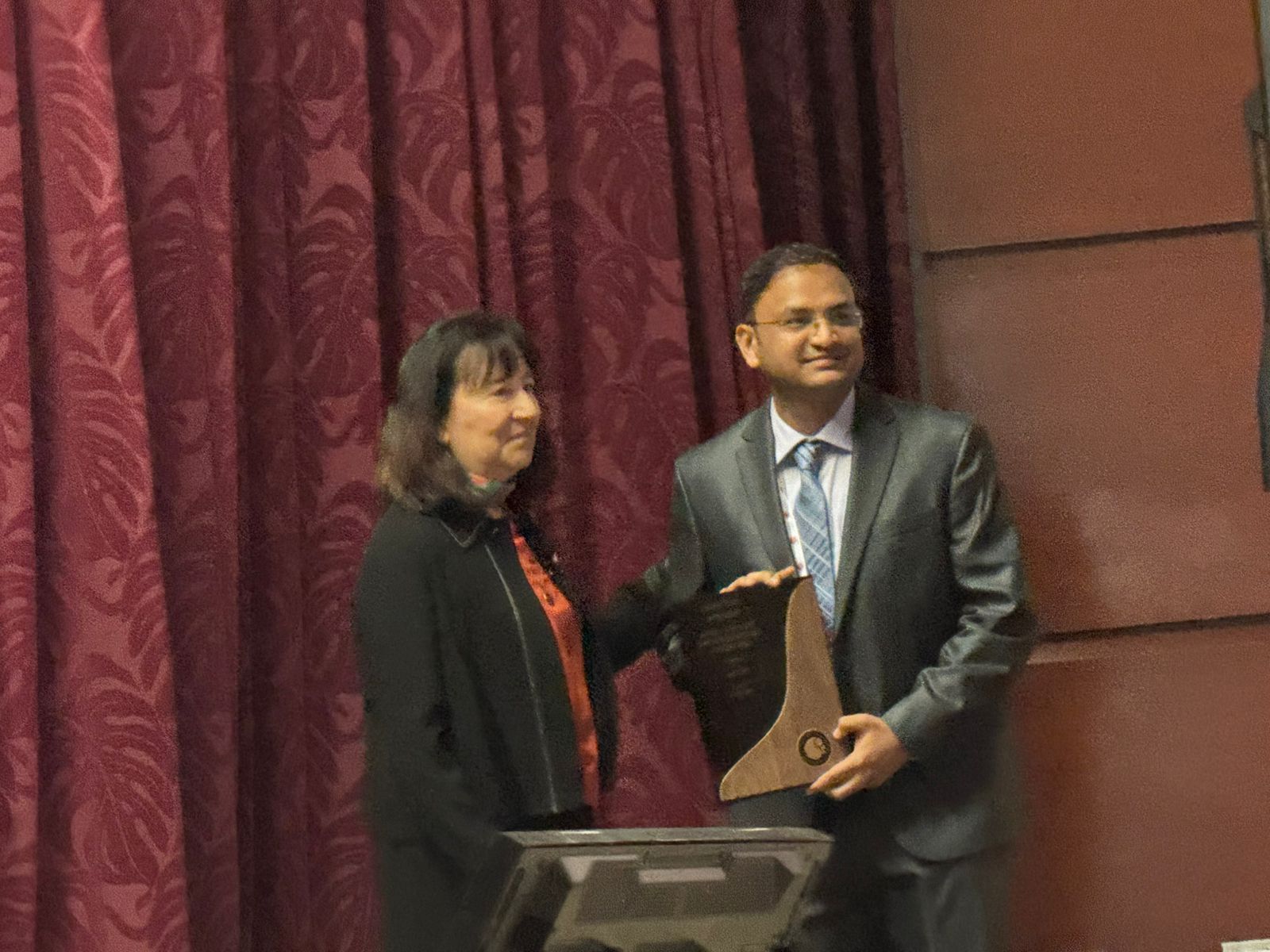
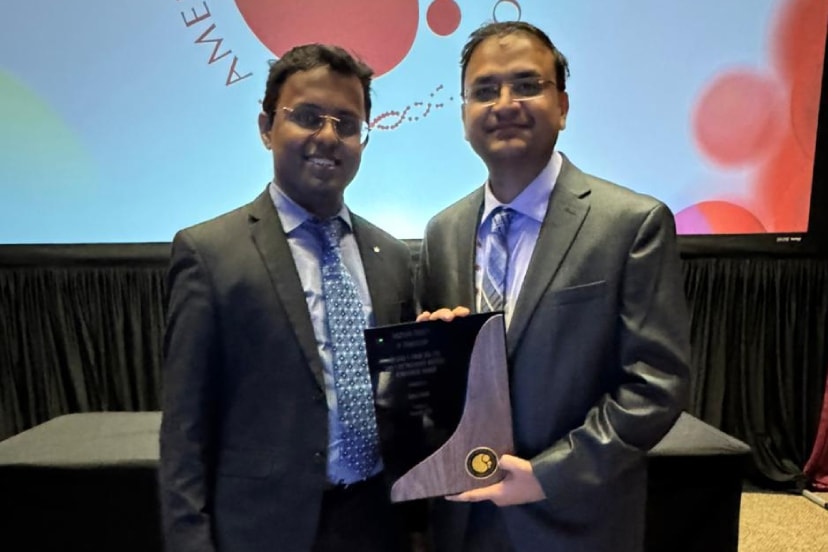
This research has earned international recognition. According to an official communication from the American Society of Hematology (ASH), post graduate trainee Dr. Gopal Sinhal has been selected for the Distinguished ASH Abstract Achievement Award for this work, to be presented at the 67th ASH Annual Meeting & Exposition in December 2025.
“We are extremely proud that this study from Amrita Hospital has been recognized by ASH, the world’s most prestigious hematology organization,” said Dr. Neeraj Sidharthan, Professor & Head, Department of Clinical Haematology and Cellular Therapy. “The work not only advances India’s contribution to global CAR-T science but also underscores Amrita’s commitment to developing accessible, high-impact innovations for hematologic cancers.”
NexCAR19: Expanding Access to CAR-T Therapy in India
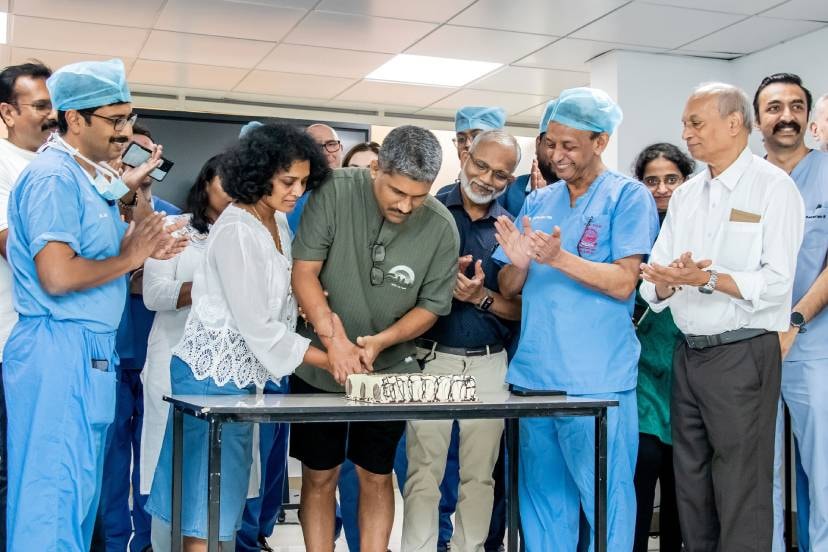
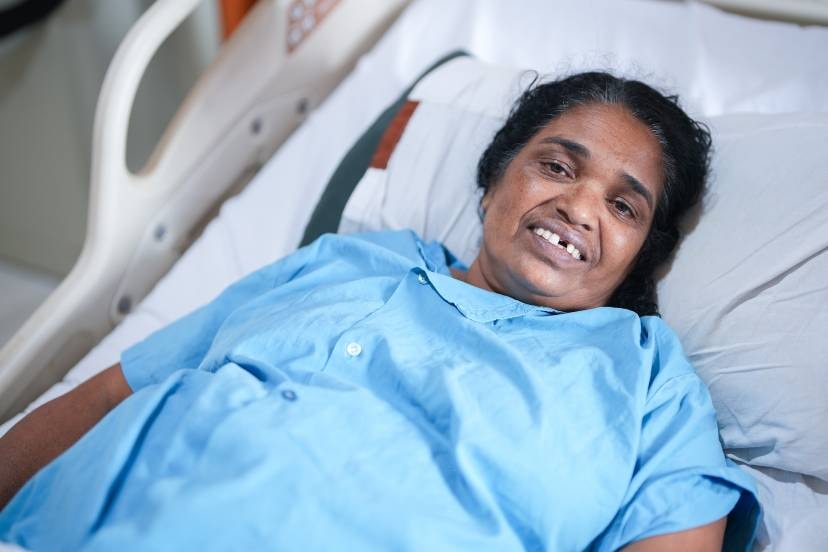
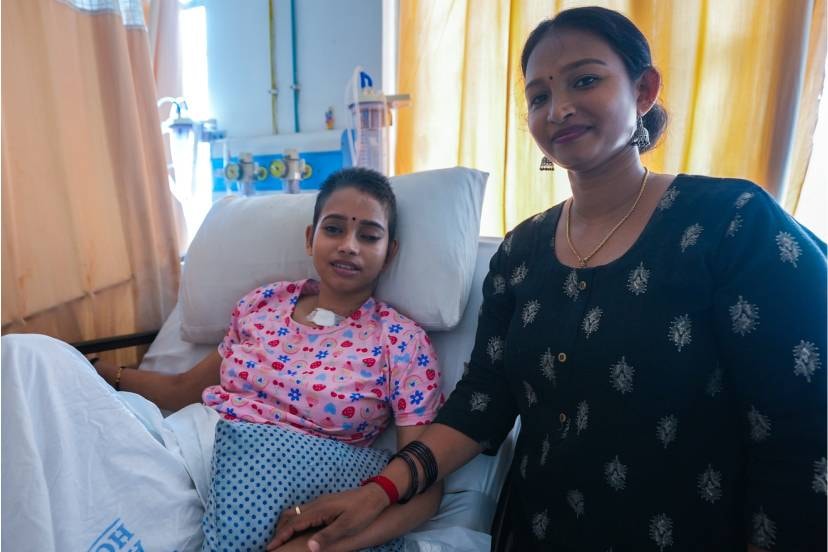
NexCAR19, developed in collaboration with Indian academic and industry partners, is among the first fully indigenous CAR-T cell therapies. Amrita Hospital has been one of the leading treatment centers for this program since early 2024.
“This study strengthens the scientific ecosystem around CAR-T therapy in India,” added Dr. Sidharthan. “By integrating rapid cytokine profiling into routine post-infusion care, we can make CAR-T therapy safer, more predictable, and more scalable for Indian patients.”
Next Steps
The team is now planning a larger, multicenter study with longitudinal sampling to validate these findings and refine a predictive cytokine-based algorithm for CAR-T clinical practice.